
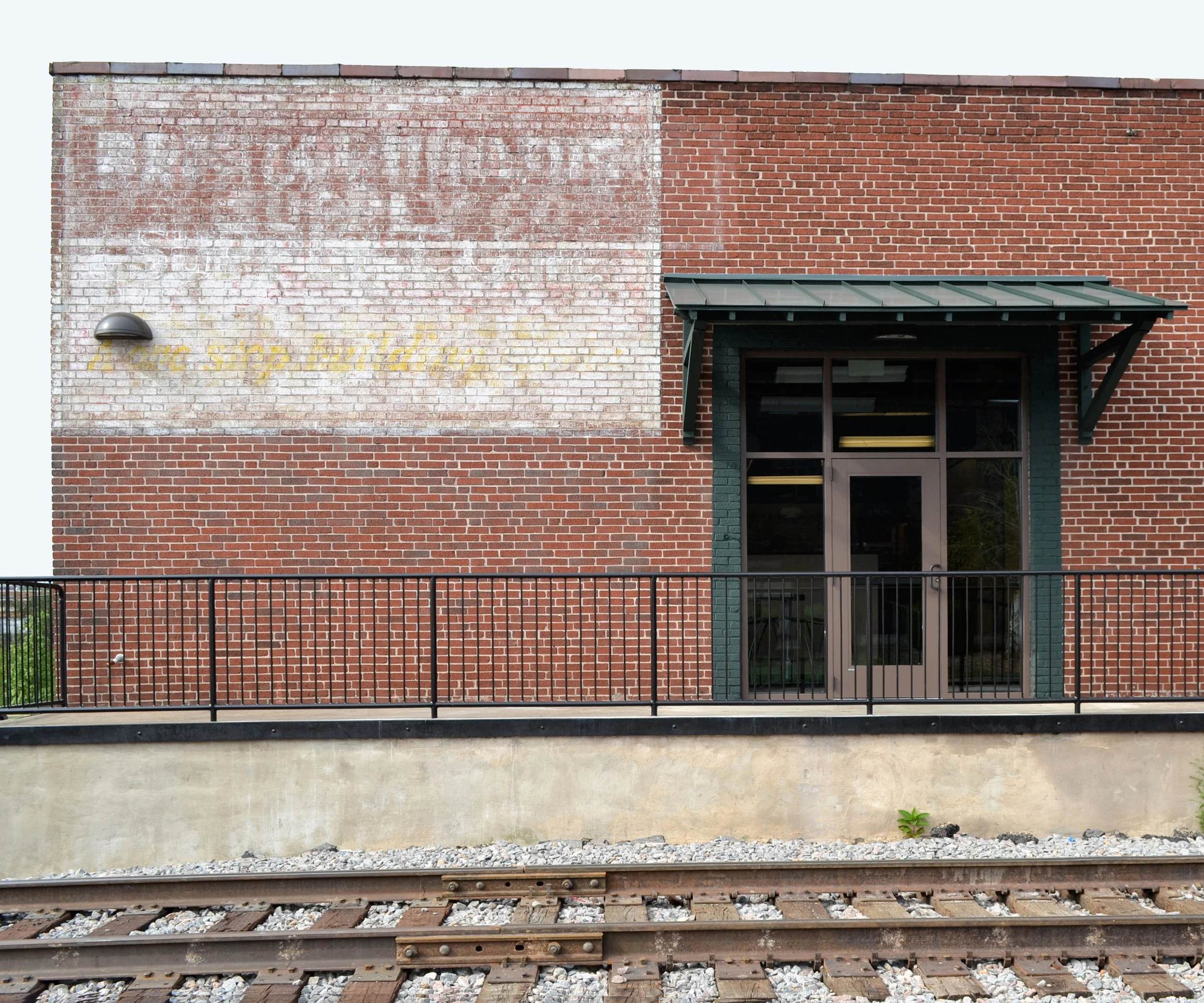
Adaptive Reuse
Huber Architects specializes in adaptive reuse, historic preservation and rehabilitation, and Historic Rehabilitation Tax Credit projects. Our understanding of traditional building materials and construction helps us evaluate what can be retained, repaired, and adapted while identifying the practical challenges and opportunities that will shape the project.
Existing buildings often hold the potential to become unique, functional places that support new uses while preserving the historic fabric of the local built environment. Renovation can be more cost-effective than building new and is often more environmentally responsible than using undeveloped land and new construction materials to meet the same program needs.
Why choose adaptive reuse?
Preserve what matters
Adaptive reuse retains meaningful architecture, craftsmanship, and community history while allowing a building to remain useful.
Reduce environmental impact
Reusing existing structures conserves embodied energy and materials, reduces demolition waste, and limits the demand for undeveloped land and new construction resources. Most adaptive reuse projects also provide opportunities to improve energy efficiency and building performance.
Make the most of existing investment
An existing structure can provide a valuable starting point. With careful evaluation, rehabilitation may offer economic and programmatic advantages over building new.
Work creatively within constraints
Existing-building codes, zoning provisions, and preservation incentives may provide flexibility that supports reuse. We help clients understand these opportunities and incorporate them into the project strategy.
Create distinctive places
Old buildings have soul. They bring texture, character, and a sense of continuity that new construction cannot easily replicate. Thoughtful interventions can support contemporary use while preserving the architectural and cultural qualities that make a place memorable.